The temporomandibular joint is the joint where the lower jaw (mandible) joins the skull, immediately in front of the ear on each side of the head. Each time your child chews, talks, or swallows, the TMJ moves. It is one of the most frequently used joints in the body.
You can locate that joint by putting your finger on the triangular structure in front of your child's ear. Then move your finger just slightly forward and press firmly while your child opens and closes his/her jaw all the way. The motion you feel is in the TMJ.
These maneuvers can cause discomfort to a patient who is having TMJ trouble, and your doctor may use these maneuvers to make a diagnosis of TMJ dysfunction.
This malady can affect children at any age but it is more prevalent in teenagers and girls. It starts with soreness in the jaw but at times this pain becomes intense and lingers. Chewing becomes difficult and even smiling and breathing cause an increase in pain. Treatment is required for this condition.
Yes, TMJ dysfunction is a serious problem in your developing child. If the TMJ experiences and injury, the joint may not grow properly and will cause pain in the joint and ear. The most important aspect of growth interference includes the improper development of the child's bite
TMJ problems most often develop from some type of injury and are not hereditary. These TMJ related problems may occur at a very young age from a fall, motor vehicle accident, or direct strike to the chin from sports or other physical activity. Milder type traumas to the TMJ include overextension of the mandible, poor head posture, and chewing habits. Bad sleeping habits, poor posture and incorrect lifting and carrying can also cause a misalignment of the atlas vertebrate (the top cervical bone in the neck) and contribute to symptoms of a TMJ disorder.
Treatment for TMJ dysfunction in children differs from the treatment recommended for an adult. The most appropriate diagnosis is the key to determining the most beneficial course of treatment. At this stage, we have the opportunity to correct the dysfunction and allow the patient to further develop in a proper way. Treating symptoms alone is NOT appropriate care for a TMJ problem in a child.
Since TMJ problems develop from trauma, there is a strong possibility that any active child can injure that very delicate joint.

Temporomandibular joint (TMJ) dysfunction refers to problems with the jaw joint and the muscles that control chewing, swallowing and speaking. In children the joint sits just in front of the ear and moves each time they open and close the mouth, so even small injuries or repetitive strain can cause symptoms. TMJ dysfunction can range from mild soreness to more persistent pain and restricted movement that affects daily activities.
Because a child’s jaws and facial bones are still growing, early TMJ issues can influence development and bite alignment if they are not identified and managed. Symptoms may mimic common childhood complaints such as earaches or headaches, which can delay correct diagnosis. Prompt attention to a pattern of symptoms helps preserve normal growth and reduces the chance of long-term complications.
Common signs include pain or tenderness around the jaw joint, especially when chewing, speaking, yawning or opening the mouth wide. Children may also report ear pain without infection, recurrent headaches on one side, neck or shoulder discomfort, dizziness, or noises such as popping, clicking or grinding when the jaw moves. Another common finding is limited ability to open or close the mouth fully, which can make eating and speaking more difficult.
Parents may notice changes in bite appearance, a chin that seems set back, or an uneven wear pattern on teeth. Symptoms often wax and wane, and they can be more noticeable during periods of stress, after sports injuries, or while a child is actively undergoing orthodontic treatment. Because these signs overlap with other pediatric issues, a focused evaluation is important to establish the correct cause.
TMJ problems in children most commonly follow trauma to the jaw or head, such as a fall, a blow to the chin during sports, or a minor motor vehicle incident. Repetitive stresses such as excessive gum chewing, prolonged mouth opening, poor head and neck posture, and teeth grinding (bruxism) can also contribute to joint irritation and muscle strain. In some cases, changes to the upper cervical spine, including the atlas vertebra, may influence jaw mechanics and worsen symptoms.
While family history can play a role in pain sensitivity or clenching behaviors, most pediatric TMJ issues are not strictly hereditary and instead result from injury or mechanical imbalance. Growth-related changes during adolescence can make teenagers more susceptible, and girls may report higher rates of symptoms during hormonal changes. Identifying contributing behaviors and structural factors helps guide effective treatment and prevention strategies.
Diagnosis begins with a detailed history and a targeted physical exam that assesses jaw motion, joint sounds, muscle tenderness, and how the bite comes together. Your child’s provider may observe jaw opening and closing, palpate the joint and muscles, and check for associated signs such as ear symptoms or neck stiffness. When needed, imaging such as panoramic X-rays, CBCT scans, or referral to a pediatric specialist helps clarify joint structure and rule out other causes.
A comprehensive evaluation also considers growth and dental development, current orthodontic treatment, and any history of trauma or bruxism. Early, accurate diagnosis is especially important in children because appropriate interventions can protect the developing jaw and occlusion. The goal is to identify the root causes rather than only relieving symptoms so that treatment supports normal function and growth.
Conservative therapies are the first line of care and often include behavior modification, soft diet, activity modification, and guided jaw exercises to reduce strain and improve range of motion. Oral appliances such as nighttime splints or orthodontic appliances may be used selectively to reduce clenching and stabilize the jaw while growth continues. Physical therapy, posture correction, and targeted muscle relaxation techniques can address contributing neck and facial muscle dysfunction.
Depending on the child’s needs, clinicians may also recommend treatment for associated conditions like bruxism, and coordinate care with orthodontists when tooth movement is a factor. Noninvasive therapies aim to reduce pain, restore normal movement, and protect jaw development without surgery. Regular follow-up is important to monitor progress and adjust the plan as the child grows.
Surgery is rarely the first option for children and is typically reserved for cases where conservative measures have failed or where there is structural damage that threatens normal jaw growth or function. Indications might include persistent joint derangement, severe trauma that alters joint anatomy, or progressive deformity that compromises breathing, chewing or facial symmetry. Any surgical decision involves careful consideration of growth, long-term outcomes, and multidisciplinary input from pediatric oral surgeons and orthodontists.
Before recommending surgery, specialists will exhaust non-surgical alternatives and obtain appropriate imaging and consultations to define the problem precisely. When surgery is necessary, the team plans timing to minimize impact on facial growth and coordinate postoperative rehabilitation. Families should expect detailed discussions about risks, benefits and the expected course of recovery as part of shared decision-making.
Preventive steps include protecting the jaw during sports with appropriate mouthguards, supervising activities that carry a risk of falls or blows to the face, and addressing teeth grinding or clenching early with behavioral strategies. Encouraging good head and neck posture, limiting prolonged heavy chewing or jaw-straining habits, and ensuring age-appropriate sleep posture can also reduce mechanical stress on the TMJ. Parents should watch for recurring ear pain, headaches, or changes in bite and seek evaluation if these signs appear.
Early intervention for minor injuries and prompt assessment when symptoms persist helps prevent chronic issues and growth disturbances. When a child is referred for orthodontic treatment, parents should inform the orthodontist of any TMJ symptoms so care can be coordinated. Creating a low-stress environment and teaching relaxation techniques can further decrease muscle tension that contributes to TMJ symptoms.
Orthodontic treatment itself is not generally considered a direct cause of TMJ disorders, but some children can experience jaw discomfort or clicking during active tooth movement. Changes to bite relationships can temporarily alter jaw mechanics, and in those with preexisting joint sensitivity the transition may unmask or amplify symptoms. Careful assessment before and during orthodontic therapy helps identify at-risk children and allows teams to modify treatment when joint issues arise.
When TMJ symptoms are present prior to orthodontics, collaborative planning between the orthodontist and a TMJ specialist can align treatment goals and protect joint health. In many cases, addressing TMJ dysfunction before major tooth movement improves comfort and outcomes. Ongoing monitoring throughout orthodontic care ensures that any emerging problems are managed early and conservatively.
You should seek specialist evaluation if your child has persistent or recurrent jaw pain, difficulty opening the mouth, unexplained ear pain with a normal ear exam, frequent headaches on one side, or audible joint noises that interfere with eating or daily activities. Symptoms that do not improve with basic home care, activity modification or a short trial of conservative measures warrant prompt assessment. Early evaluation is especially important when symptoms follow trauma or when growth and bite changes are evident.
Timely referral to a clinician experienced in pediatric TMJ disorders helps ensure accurate diagnosis and an appropriate treatment plan that considers growth and development. A TMJ-focused evaluation can coordinate care with pediatric dentists, orthodontists or oral surgeons as needed to protect long-term function. For families in Clifton, NJ, and surrounding communities, Vita Head, Neck & Facial Pain Relief Center offers specialized assessment and a multidisciplinary approach to pediatric TMJ concerns.
The initial visit typically includes a thorough medical and dental history, questions about symptom onset and triggers, and a focused physical exam of the jaw, muscles, ears and neck. The clinician will observe jaw movement, listen for joint sounds, palpate for tenderness, and assess bite and facial growth; imaging may be ordered when structural information is needed. Families can expect a discussion of likely causes, conservative treatment options, and a personalized plan that prioritizes noninvasive care and growth preservation.
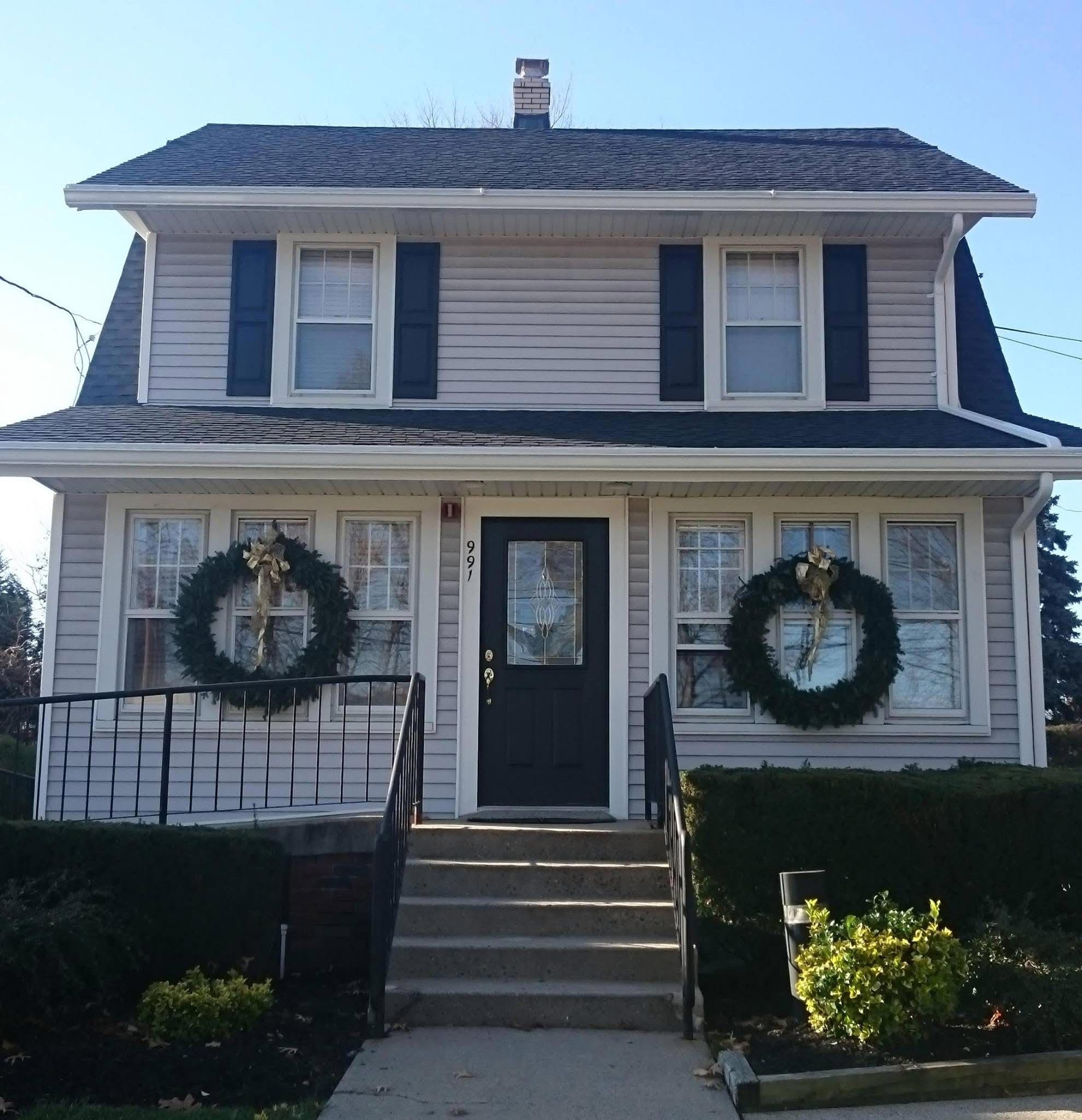
Follow-up visits are used to monitor symptoms, modify therapies, and coordinate with other providers such as orthodontists or physical therapists when appropriate. The practice emphasizes clear communication so parents understand goals, expected timelines and home-care measures that support recovery. If you need a pediatric TMJ consultation, the office at 991 Van Houten Avenue in Clifton, NJ can provide an evaluation tailored to your child’s needs.
We’re here to answer your questions and help you take the next step toward relief.
Have questions about your symptoms, treatment options, or scheduling an appointment? Our friendly and knowledgeable team is always happy to assist you. Whether you’re seeking relief from TMJ disorders, head and neck pain, facial discomfort, or general dental concerns, we take the time to listen and provide clear, thoughtful answers. From your first call to your ongoing care, we are committed to offering personalized support, helping you understand your options, and guiding you toward lasting comfort, improved function, and exceptional care.