Professional Dental Cleaning. During a typical checkup your dentist or dental hygienist will remove the plaque and tartar (plaque that builds up and hardens on the tooth surface and can only be removed with professional cleaning) from above and below the gum line of all teeth. If you have some signs of gum disease, we may recommend professional dental cleaning more than twice-a-year.
Scaling and Root Planing. This is a deep-cleaning, nonsurgical procedure, that removes plaque and tartar from above and below the gum line. Scaling and root planing is done if your dentist or periodontist determines that you have plaque and calculus (hardened plaque, also called tartar) under the gums that needs to be removed.
Most periodontists would agree that after scaling and root planing, many patients do not require any further active treatment. However, the majority of patients will require ongoing maintenance therapy to sustain health.

Non-surgical gum treatment refers to clinical procedures that control infection and inflammation of the gums without incisions or flap surgery. Common approaches include thorough professional dental cleaning, scaling and root planing, and targeted antimicrobial therapy. These treatments aim to remove plaque and hardened tartar from above and below the gum line and to promote reattachment of the gum to the tooth surface.
Non-surgical care is often the first-line option for patients with early to moderate periodontal disease and for those who want to preserve gum and bone structure. The goal is to halt disease progression, reduce pocket depths, and create a healthier environment that supports long-term periodontal stability. When combined with effective home care and regular maintenance, non-surgical treatment can produce meaningful improvements in oral health.
Good candidates for non-surgical gum treatment are patients who show signs of gingivitis or early to moderate periodontitis, such as swollen gums, bleeding when brushing, or pockets between the tooth and gum. Many patients can avoid surgery if the disease is identified early and treated aggressively with scaling and root planing and improved oral hygiene. The procedure is also appropriate for patients who prefer conservative care or who have medical conditions that make surgery riskier.
At Vita Head, Neck & Facial Pain Relief Center we evaluate each patient’s periodontal charting, medical history, and radiographs to determine the best course of action. If pockets are shallow to moderate and bone loss is limited, non-surgical measures are often effective in controlling disease. If more advanced destruction is present, the clinician will discuss when surgical options may be necessary to achieve optimal results.
Scaling and root planing is a two-part deep-cleaning procedure that removes bacterial plaque, calculus, and toxins from tooth surfaces and smooths the roots to discourage future bacterial buildup. Scaling removes deposits above and below the gum line using hand instruments and ultrasonic scalers, while root planing smooths rough root surfaces to help gums reattach. The process is performed under local anesthesia when needed to keep the patient comfortable.
Following the procedure, the inflamed gum tissue can shrink and pockets may reduce in depth, making it easier for patients to maintain cleanliness at home. Your dental team will monitor healing and may use localized antimicrobials or adjunctive therapies if pockets persist. Most patients experience gradual improvement in gum health over several weeks to months after treatment.
During a professional dental cleaning meant to address gum disease, the hygienist or dentist will remove plaque and tartar from above and below the gum line, polish tooth surfaces, and evaluate gum pocket depths. The appointment typically includes periodontal charting, which measures pocket depths and bleeding points to assess disease severity. Depending on findings, the clinician may recommend more frequent cleanings or additional treatment such as scaling and root planing.
Many patients experience some sensitivity or mild soreness after a deep cleaning, which usually resolves within a few days with proper home care. Your clinician will provide instructions on brushing, flossing, and possibly antimicrobial rinses to support healing. Follow-up visits are scheduled to monitor progress and to determine if further intervention is needed.
Healing after scaling and root planing varies by individual, but most patients notice improvement in gum inflammation and bleeding within one to two weeks. Significant tissue changes and pocket reduction often continue over several weeks to a few months as inflammation subsides and the gums reattach to cleaned root surfaces. Any initial sensitivity or tenderness typically diminishes during this period with gentle oral hygiene and recommended care.
Your dental team will schedule re-evaluation appointments, usually around four to eight weeks after treatment, to measure pocket depths and assess healing. If pockets remain deep or inflammation persists, additional non-surgical measures or referral for surgical evaluation may be considered. Ongoing maintenance is essential to preserve the gains achieved by the initial therapy.
Effective home care is critical to support healing after non-surgical gum treatment and to prevent recurrence of disease. Patients should follow a consistent routine of thorough brushing at least twice daily with a soft-bristled brush, daily interdental cleaning with floss or interdental brushes, and any adjunctive rinses or topical antimicrobials recommended by their clinician. Avoiding tobacco and maintaining a balanced diet also support immune response and tissue repair.
Your hygienist may provide individualized instructions and demonstrate techniques to clean pocket areas more effectively. Maintaining regular professional cleanings and periodontal maintenance visits is equally important to remove plaque and calculus that cannot be controlled by home care alone. Adhering to both professional and at-home recommendations maximizes long-term success.
Non-surgical gum treatment can be highly effective at controlling periodontal disease when detected early and combined with consistent home care and maintenance therapy. Many patients experience reduced pocket depths, less bleeding, and improved gum health after scaling and root planing, especially when follow-up care is timely and thorough. The effectiveness depends on disease severity, patient health factors, and adherence to post-treatment recommendations.
For patients with more advanced bone loss or persistent deep pockets, non-surgical care may control infection but might not fully restore lost support, and additional therapies could be necessary. Regular monitoring and periodontal maintenance appointments are essential to identify recurrence early and to intervene before disease progresses further.
After non-surgical therapy, most patients require a periodontal maintenance schedule that is more frequent than routine six-month cleanings; common intervals are every three to four months. These maintenance visits focus on removing new plaque and calculus, monitoring pocket depths, and reinforcing home care to prevent re-establishment of disease-causing bacteria. The precise recall interval is tailored to each patient's risk factors, healing response, and history of periodontal disease.
During maintenance appointments, your hygienist will reassess gum health and coordinate with the dentist to adjust care if signs of recurrence appear. Adhering to the recommended maintenance rhythm is one of the most important factors in sustaining long-term periodontal stability. Patients who miss maintenance visits are at greater risk for disease relapse and progression.
Surgical periodontal treatment is usually recommended when non-surgical approaches fail to reduce deep pockets, when there is significant bone loss, or when access to root surfaces is inadequate for effective cleaning. Surgery allows clinicians to visualize and directly treat damaged tissues, reduce pocket depth, and regenerate lost bone or soft tissue in selected cases. The decision to move to surgery is based on clinical measurements, radiographic findings, and the patient’s overall health and treatment goals.
Non-surgical therapy often precedes surgical planning, because initial deep cleaning can improve inflammation and provide a clearer picture of residual disease. If surgical intervention becomes necessary, your clinician will explain the rationale, expected outcomes, and the specific procedures recommended. The combined use of non-surgical and surgical therapies can optimize long-term results for more advanced disease.
If you have signs of gum disease or want an evaluation, contact the office to arrange a periodontal assessment and cleaning appointment. During the visit the clinician will perform a thorough exam, take any needed radiographs, and recommend a treatment plan that may include professional cleaning, scaling and root planing, and a personalized maintenance schedule.
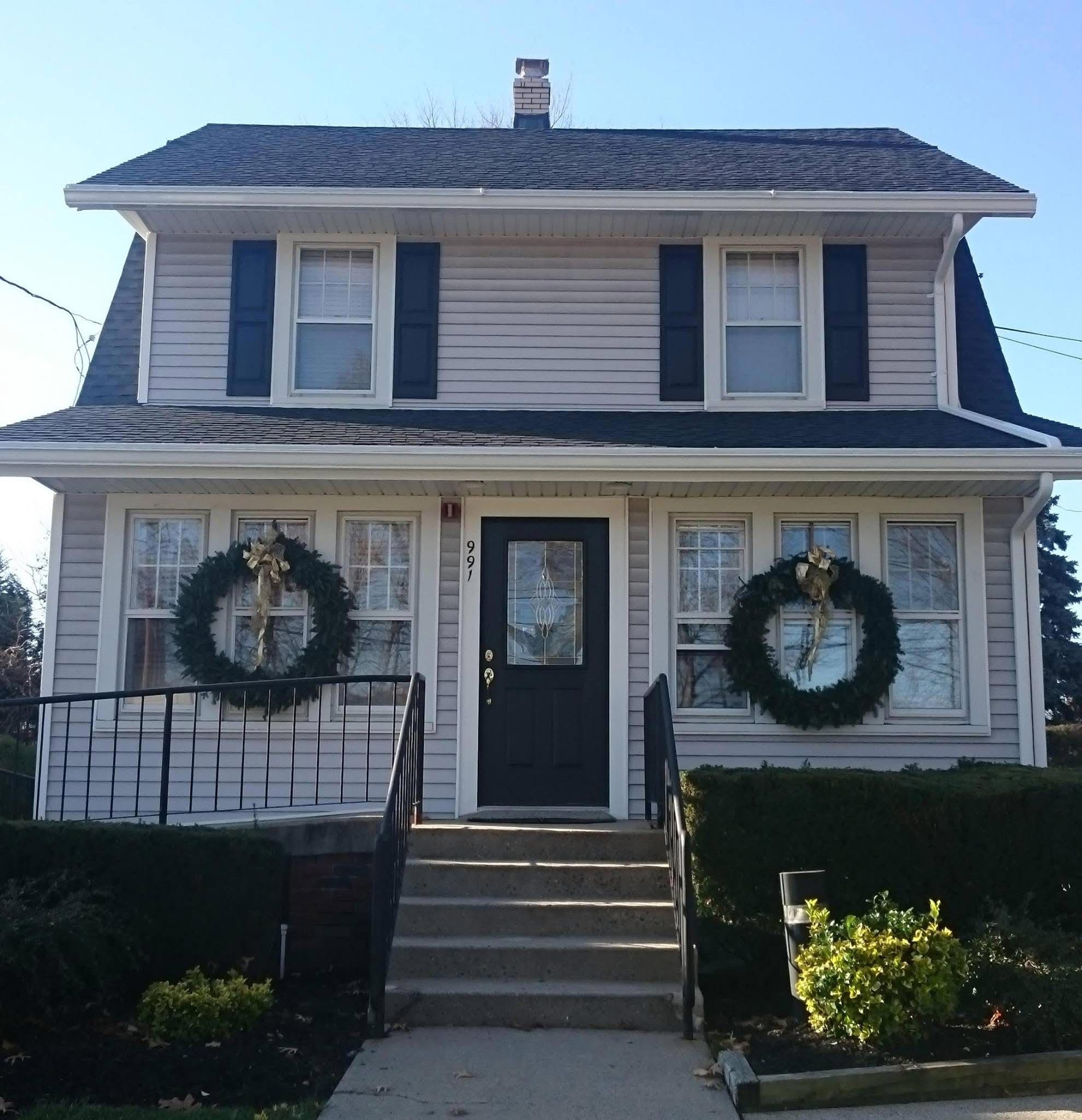
To schedule an evaluation at Vita Head, Neck & Facial Pain Relief Center, call (973) 777-1933 or visit our Clifton office at 991 Van Houten Avenue, Clifton, NJ 07013. Our team will help you understand your condition and the conservative options available to help protect your gum health.
We’re here to answer your questions and help you take the next step toward relief.
Have questions about your symptoms, treatment options, or scheduling an appointment? Our friendly and knowledgeable team is always happy to assist you. Whether you’re seeking relief from TMJ disorders, head and neck pain, facial discomfort, or general dental concerns, we take the time to listen and provide clear, thoughtful answers. From your first call to your ongoing care, we are committed to offering personalized support, helping you understand your options, and guiding you toward lasting comfort, improved function, and exceptional care.