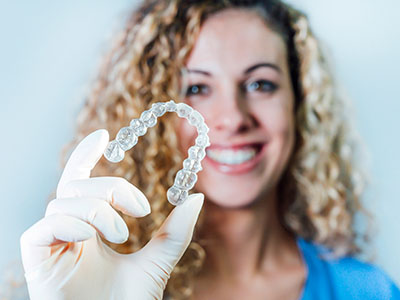
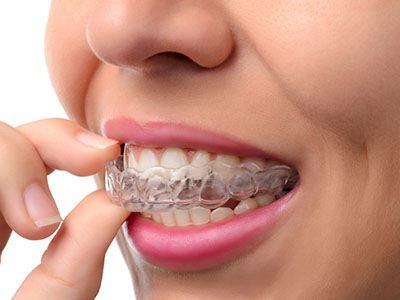
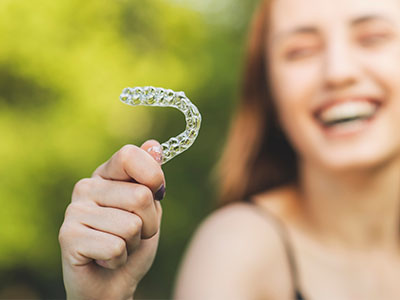
Invisalign® uses a sequence of clear, custom-made aligners to move teeth gently and with precision. Designed to be discreet and removable, these aligners let patients carry on with daily life while progressively refining tooth position through planned, small adjustments.

Invisalign® for Teens

Invisalign® for Brides

Invisalign® for Travelers
Before & After Photos
Invisalign® Videos
FAQs
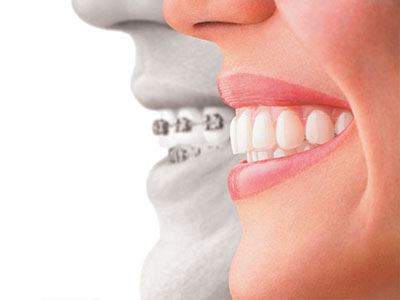
Invisalign® vs Braces
Invisalign® vs Direct-To-Consumer Aligners
Is Invisalign® Right For Me?

Invisalign® Costs
At the heart of Invisalign® is a digital treatment plan that maps each incremental movement from start to finish. Advanced 3-D imaging allows clinicians to visualize the final result and create a series of aligners that guide teeth through a controlled sequence of shifts. Each aligner applies gentle pressure to specific teeth, then is swapped for the next aligner to continue progress.
This computer-guided approach means treatment is planned with predictable stages rather than relying solely on in-chair adjustments. For many people, that predictability translates into fewer surprises, streamlined appointments, and a clearer understanding of the expected timeline.
Because aligners are removable, patients retain normal oral hygiene routines and food choices during treatment. Compliance — wearing aligners for the recommended hours each day — is essential for predictable outcomes. When worn as directed, these clear aligners can address a wide range of alignment issues while remaining virtually inconspicuous.
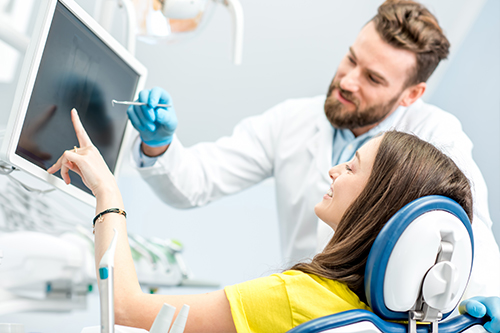
Treatment begins with a thorough clinical evaluation and a precise digital scan of the mouth. That scan becomes the foundation for a customized plan that outlines the sequence of aligners and milestones along the way. Many practices provide a visual preview of expected changes so patients can see the trajectory before treatment begins.
After the plan is finalized, aligners are fabricated to the exact specifications of your case. Patients typically receive sets of aligners to wear for one to two weeks each, swapping them according to the schedule prescribed by the clinician. Periodic visits allow the care team to monitor progress, make adjustments if needed, and ensure the plan is unfolding as designed.
Follow-up appointments are focused and efficient because the digital plan drives much of the movement. If refinements are necessary, additional aligners can be designed to fine-tune the result. When the active phase concludes, retainers play a key role in protecting the new alignment and maintaining the long-term outcome.
As pioneers in the field of aligner development and technology, the folks at Align Technology, Inc. gather data from millions of treated smiles to design treatment systems that:

Clear aligners are particularly well-suited to mild-to-moderate crowding, spacing issues, and many bite concerns. Their design supports a controlled approach to tooth movement and allows clinicians to plan complex sequences that would have been difficult to visualize with older methods.
Because the system is driven by digital modeling, clinicians can evaluate alternative movement strategies and anticipate potential challenges before treatment starts. This level of pre-planning often leads to more efficient in-office time and a clearer path toward the intended result.
Attachments and auxiliaries can be incorporated when needed to enhance control over specific movements. In cases where severe skeletal discrepancies exist, clear aligners may be combined with other orthodontic approaches or referred for interdisciplinary care to achieve the best overall outcome.
Not every alignment problem is best treated with removable aligners alone. Complex bite corrections that involve jaw position or significant tooth rotation sometimes need complementary procedures or traditional orthodontic appliances for optimal results.
Success depends on careful case selection and patient cooperation. Wearing aligners for the recommended number of hours each day is vital; inconsistent wear can slow progress or reduce the effectiveness of the planned movements.
During your consultation, your provider will discuss the expected scope of treatment and any limitations. If additional interventions are advisable, a coordinated plan will be presented so you understand all clinical considerations before starting.
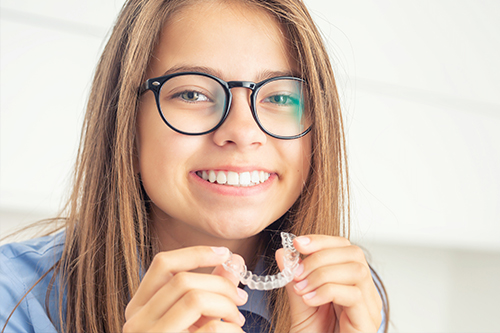
Because aligners are removable, daily routines like eating and brushing remain largely unchanged. Remove aligners for meals to protect them from damage and to keep the oral environment clean. Rinse and gently brush the aligners to prevent buildup and maintain clarity.
Maintain a consistent oral hygiene routine while in treatment: brush twice daily, floss regularly, and follow any professional cleaning intervals recommended by your clinician. Keeping teeth and gums healthy supports smooth, predictable movement throughout the aligner sequence.
If minor discomfort or pressure occurs after switching to a new aligner, it is typically temporary and part of the movement process. Your care team will provide guidance for managing sensitivity and addressing any concerns between scheduled visits.

Each aligner set is customized to the individual anatomy and treatment goals of the patient. This bespoke approach allows for nuanced tooth movements and makes it possible to treat a wide variety of alignment patterns with a single system.
Ongoing monitoring—using both in-person checks and digital progress reviews—helps ensure that the plan is performing as intended. Refinements are a normal part of many treatment journeys and are used to perfect the final alignment when needed.
After active alignment is complete, retainers are essential to stabilize the teeth in their new positions. Your clinician will recommend an appropriate retention strategy to protect your investment and keep your smile aligned long-term.
Watch short, informative videos that explain the Invisalign® process and what to expect during treatment.
*Invisalign® is a registered trademark of Align Technology, Inc.
In summary, Invisalign® blends digital planning, customized appliances, and a patient-centered approach to deliver predictable alignment for many common orthodontic needs. When paired with careful case selection and ongoing professional oversight, it provides a discreet and effective option for people seeking to improve the position of their teeth without traditional braces.
Vita Head, Neck & Facial Pain Relief Center provides experienced clinical guidance and modern tools to support a comfortable, well-managed Invisalign® experience. If you would like to learn more about how clear aligners could fit into your dental care plan, please contact us for additional information.

There are many options for patients who want to avoid metal braces! The most popular alternative orthodontic treatment is Invisalign®, which are clear plastic aligners designed to straighten teeth. After an examination of your teeth, your dentist will determine which option is best suited to your wants and needs.
According to the Invisalign® website, the cost for treatment is approximately the same as the cost for metal braces. A portion of this cost may be covered by your insurance. Please call us to set up a consultation and discuss potential payment plan options.
The first step is to schedule a consultation with your doctor, so they can devise a treatment plan that is best suited to your individual dental needs. Once approved, you will receive your first set of aligners. Your doctor will then regularly monitor the movement of your teeth and new aligners will be ordered according to the progress made in your treatment plan.
Invisalign® aligners are made of clear, flexible plastic. The company received a patent for this material – SmartTrack® – to be used exclusively for Invisalign treatment purposes. These aligners are FDA approved and nearly invisible!
Your doctor will give you an estimate regarding how long your Invisalign® treatment should take, which will depend on your specific needs. The average length of time for treatment is approximately 12-18 months. However, some patients may see results far sooner. Remember to wear your aligners exactly as instructed by your doctor to obtain the best results.
Your doctor will most likely recommend that you wear retainers following your Invisalign® treatment. This is a precaution that will prevent your teeth from shifting back to their original positioning. It is important to follow your doctor's instructions exactly to ensure long-lasting results.
You must wear your aligners for up to 22 hours daily. You may remove them for eating, drinking and regular oral hygiene.
No. Unlike braces, you may eat whatever you like as long as you remove the aligners before eating. Prior to placing the aligners back on, it is important to brush your teeth and the aligners after you eat.
Like any orthodontic treatment, there is a short adjustment period. The more you speak with the aligners on, the quicker you will adjust.
There will be some pressure and minor discomfort for a day or two after each initial insertion. This is a sign that your teeth are moving sequentially into their final position.
It is recommended that you remove your aligners prior to chewing gum as the gum will stick to the aligners.
We discourage smoking with aligners as the cigarette smoke will tend to discolor them.
Brushing them with toothpaste will keep them fresh and clean.
Regular office visits are every five to six weeks. This will ensure that your Invisalign treatment is progressing as planned.
All orthodontic patients are instructed to wear their retainers at night indefinitely. Sleeping with your retainers in at night will ensure a healthy bite and maintain the new position of your teeth.
Yes, if their teeth, including second molars, have grown in completely.
Invisalign® uses a series of clear, removable aligners to move teeth through planned, incremental steps. Each aligner is custom fabricated and applies gentle pressure to specific teeth to guide movement. Because the appliances are nearly invisible and removable, many patients prefer them for aesthetic and lifestyle reasons.
A digital treatment plan established from 3-D imaging maps every stage of movement from the initial position to the intended finish. This plan allows clinicians to visualize outcomes and sequence aligners so progress is controlled and predictable. When patients wear each set as directed, the system advances tooth position with minimal need for unplanned adjustments.
Good candidates for Invisalign® generally include adults and teens with mild-to-moderate crowding, spacing, or bite irregularities. Simple to moderate alignment needs are where clear aligners often deliver very predictable results. A clinical evaluation is required to confirm that aligners can achieve the desired movements for an individual case.
Complex cases involving significant jaw discrepancies, severe rotations, or growth-related issues may require adjunctive treatments or orthodontic specialists. Compliance is a critical factor: aligners should typically be worn for 20 to 22 hours per day to keep the digital plan on schedule. Your clinician will review expectations for wear, potential auxiliary appliances, and whether interdisciplinary care is recommended.
The initial consultation for Invisalign® begins with a detailed exam, medical and dental history review, and digital scans of the teeth and bite. These records allow the clinician to create a precise 3-D model that serves as the basis for the prescribed movement sequence. Impressions may be taken digitally, eliminating the need for traditional molds in many cases.
At Vita Head, Neck & Facial Pain Relief Center, the treatment plan is reviewed with the patient using visualization tools that show expected stages and realistic outcomes. Your provider will explain the schedule for receiving aligners, the cadence of follow-up visits, and any recommended auxiliaries such as attachments or elastics. This consultation is the time to discuss oral hygiene, lifestyle considerations, and what to expect during active treatment.
Treatment length with Invisalign® varies by case but commonly ranges from several months to around a year for many adult patients. Some simple cases may conclude in less time, while more involved movements can extend the timeline. Predictability from the digital plan helps set expectations, but individual biology and response to movement also play roles.
Factors that influence the timeline include the severity of the malocclusion, the need for tooth extractions or auxiliaries, and how consistently the patient wears their aligners. Occasional refinements—additional aligners designed after the initial series—can add time but improve accuracy of the final result. Your clinician will provide a personalized estimate during planning and update it as treatment progresses.
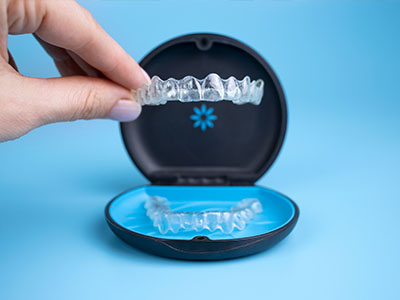
Daily care for aligners is straightforward: remove them for meals, rinse them after eating, and brush them gently with a soft toothbrush to prevent buildup. Avoid hot water and abrasive cleaners that can deform or scratch the plastic. Store aligners in a protective case when not in use to reduce the risk of loss or damage.
Maintaining excellent oral hygiene is essential while wearing aligners; brush twice daily, floss daily, and attend professional cleanings as recommended. Because aligners trap saliva and food particles against teeth if not removed, careful cleaning helps prevent decay and gum problems during treatment. Your clinician can provide specific cleaning products or techniques to keep both teeth and aligners in good condition.
Invisalign® is well suited to many alignment issues, including moderate crowding, spacing and certain bite corrections that do not require major skeletal changes. The system's digital planning and the use of attachments can enable precise control for a variety of tooth movements. When additional control is required, aligners may be combined with other orthodontic methods to achieve the planned outcome.
However, cases dominated by severe jaw discrepancies, significant facial asymmetry, or growth-related skeletal concerns may benefit more from traditional orthodontics or surgical solutions. A thorough assessment will determine whether aligners alone are appropriate or whether a coordinated, interdisciplinary plan is needed. Your provider will present the clinical rationale and alternatives so you understand the recommended path.
Because aligners are removable, patients can eat and drink normally when the trays are out, which simplifies mealtime choices compared with fixed braces. Some people notice a brief change in speech during the first few days as they adjust to the trays, but this typically resolves quickly. Minor pressure or soreness is common after switching to a new aligner and usually subsides within a few days.
To minimize disruption to daily life, plan to have a carrying case and a travel kit for cleaning on the go, and follow the wear schedule prescribed by your clinician. Consistent wear is the single most important habit for keeping treatment on track and avoiding unnecessary extensions. Your care team can share practical tips for managing aligner wear with work, school, or athletic activities.
Attachments are small, tooth-colored bumps bonded to teeth to give the clear aligners better grip for certain movements, while elastics can help correct bite relationships. These auxiliaries increase the range of movements aligners can achieve and are planned during the digital setup. Attachments are placed and removed in the office without surgery and are selected to be discreet whenever possible.
Elastics are worn as instructed to provide additional directional force and are simple to integrate with an aligner schedule, though they require patient compliance. Your clinician will explain how to place and remove elastics, how long to wear them, and when attachments will be removed or adjusted. Understanding the purpose of these auxiliaries helps patients follow the plan and contributes to more predictable outcomes.
Progress is monitored through scheduled in-person visits and, in many practices, digital check-ins that compare current tooth positions to the planned sequence. These reviews confirm that movements are tracking as expected and identify any areas that need attention. If progress falls behind the plan, the clinician can determine whether to adjust timing, add auxiliaries, or design refinements.
If refinements are required, our team at Vita Head, Neck & Facial Pain Relief Center will create additional aligners or modifications to address residual discrepancies and fine-tune the result. Refinement phases are common and are part of a patient-centered approach to achieving the intended outcome. Clear communication about expectations and timely follow-ups helps keep the treatment efficient and successful.
Retention is the phase after active alignment and is essential to preserve tooth positions once aligners have completed their job. Retainers may be removable or fixed and are selected based on the specific movements and patient needs. Wearing retainers as prescribed—often nightly at first—reduces the natural tendency of teeth to shift back toward their original positions.
Long-term success depends on a retention plan that fits the patient's lifestyle and clinical risk factors, and periodic checkups help confirm stability. Your clinician will explain how long to wear retention appliances and when to transition to less frequent use if appropriate. Combining consistent retainer wear with good oral hygiene and routine dental care supports a lasting result.

We’re here to answer your questions and help you take the next step toward relief.
Have questions about your symptoms, treatment options, or scheduling an appointment? Our friendly and knowledgeable team is always happy to assist you. Whether you’re seeking relief from TMJ disorders, head and neck pain, facial discomfort, or general dental concerns, we take the time to listen and provide clear, thoughtful answers. From your first call to your ongoing care, we are committed to offering personalized support, helping you understand your options, and guiding you toward lasting comfort, improved function, and exceptional care.