A denture is a removable dental appliance replacement for missing teeth and surrounding tissue. They are made to closely resemble your natural teeth and may even enhance your smile.
There are two types of dentures - complete and partial dentures. Complete dentures are used when all of the teeth are missing, while partial dentures are used when some natural teeth remain. A Partial denture not only fills in the spaces created by missing teeth, it prevents other teeth from shifting.
A Complete denture may be either "conventional" or "immediate." A conventional type is made after the teeth have already been missing and the gum tissue has healed. Immediate dentures are made in advance and immediately placed after the teeth are removed, thus preventing the patient from having to be without teeth during the healing process. Once the tissues shrink and heal, adjustments will have to be made.
Dentures are very durable appliances and will last many years, but may have to be remade, repaired, or readjusted due to normal wear.
The process of getting dentures requires several appointments, usually over several weeks. Highly accurate impressions (molds) and measurements are taken and used to create your custom denture. Several "try-in" appointments may be necessary to ensure proper shape, color, and fit. At the final appointment, your dentist will precisely adjust and place the completed denture, ensuring a natural and comfortable fit.
It is normal to experience increased saliva flow, some soreness, and possible speech and chewing difficulty, however this will subside as your muscles and tissues get used to the new dentures.
You will be given care instructions for your new dentures. Proper cleaning of your new dental appliance, good oral hygiene, and regular dental visits will aid in the life of your new dentures.
A partial denture is designed to not only replace certain missing teeth but to preserve the remaining teeth. There are many different designs to secure a partial denture to the teeth. Dr. Vita utilizes the specific design from the Equipoise® system.

Today, it’s easier than ever to replace missing teeth and achieve natural-looking, durable, and long-lasting results! Depending on a patient’s dental needs, lifestyle, expectations of care, and budget, choices can include conventional fixed bridgework, dental implants, or removable partial and complete dentures. At the office of Vita Head, Neck & Facial Pain Relief Center, we’ll discuss all your options in care and answer all your questions as you choose the solution that’s right for you.
With advances in dental materials and technology, today’s dentures are more comfortable and realistic-looking than ever before.
Whether you wear partial or complete dentures, it’s essential to see the dentist for routine care. Besides checking the fit and condition of your dentures and making any necessary adjustments, you’ll also receive a comprehensive exam to check on the health of any remaining teeth as well as the soft and hard tissues in and around the oral cavity.
A same-day denture offers an accelerated design and fabrication process that allows a patient to go from impression taking to denture insertion in a single day.
For patients who don’t want to wait after having teeth extracted, an immediate denture can be inserted the same day your teeth are removed. Sometime later you may need the denture relined to address any changes in its fit once the extraction sites have completely healed.
While no one wants to drop or break a partial or complete denture, accidents do happen. The good news is that in some cases, your partial or complete denture is reparable. It all depends on the extent of the damage. Don’t hesitate to contact our office if you’ve broken or damaged your denture. We’re happy to help.
The simple act of taking your partial denture in and out can cause certain types of metal clasps to loosen over time. When you come in for your checkup visit or contact our office for an adjustment, we’ll assess the fit of your partial and tighten the clasps for improved stability and comfort.
While rebuilding a complete smile is a worthwhile investment, our office is sensitive to the costs involved in dental care. We customize care and will discuss which treatment options address your needs, lifestyle, and budget. How much a new denture will cost depends on the type of the prosthesis, its design, and the materials used to fabricate the supportive base, teeth, and clasps or precision attachments. Dentures that include the placement of dental implants for added retention and stability typically involve additional costs.
If you have dental insurance, your coverage may include a new or replacement set of dentures. Our staff is happy to review your coverage with you to ensure you are maximizing your insurance benefits while minimizing any out of pocket expenses.
At the office of Vita Head, Neck & Facial Pain Relief Center, we provide an extensive range of dental services, including the latest and most effective methods to help patients with missing teeth rebuild complete and beautiful smiles. As skilled and experienced professionals, we recognize that every patient is different, and every smile is unique. We’re passionate about what we do and take great pride in providing personalized treatment plans while treating our patients as valued partners in care.
A denture is a removable dental appliance that replaces missing teeth and the surrounding gum tissue. Dentures are custom crafted to match the shape, size and shade of natural teeth so they restore both appearance and chewing function. Modern denture materials and techniques aim to provide a natural look and comfortable fit that supports facial contours after tooth loss.
Dentures may be fabricated from acrylic, metal, or hybrid materials depending on the design and strength required. A precise set of impressions and measurements ensures the denture seats properly and remains stable during daily activities. Over time, mouth changes can affect fit and may require adjustments, relines, repairs or replacement to maintain comfort and function.
Full dentures, also called complete dentures, replace all of the teeth in an upper or lower arch and restore the bite and facial support when natural teeth are missing. Partial dentures are used when some natural teeth remain and are designed to fill gaps while relying on remaining teeth for support. Each type is designed to meet the specific needs of the patient, including aesthetics, chewing ability and long-term oral health.
Partial dentures often incorporate clasps, precision attachments or customized frameworks to secure the prosthesis and prevent unwanted tooth movement. Full dentures rely on fit and suction, particularly for the upper arch, and may require adhesive support for added stability in some cases. Your dentist will recommend the appropriate option based on the number of missing teeth, oral anatomy and functional goals.
Conventional dentures are made after the teeth have been removed and the gum tissues have healed, which allows the prosthesis to be fitted to a stable oral environment. Immediate dentures are made in advance and placed at the time of tooth extraction so the patient is not without teeth during the healing period. Immediate dentures provide immediate aesthetics but typically require follow-up adjustments as the tissues heal and change shape.
Because tissue remodeling occurs after extractions, immediate dentures often need relines or rebasing to restore optimal fit once healing is complete. Conventional dentures may offer a more predictable fit initially because they are fabricated after the soft tissues have settled. Your dentist will explain the advantages and trade-offs of each approach and plan follow-up visits to refine fit and function.
Good candidates for dentures include patients who have lost multiple teeth or all teeth in an arch and those whose remaining teeth are not restorable with conservative care. Dentures can also be appropriate for patients seeking to improve chewing, speech and facial support when tooth loss has affected function or appearance. A comprehensive oral examination and health history help determine whether dentures are the best restorative option for an individual patient.
At Vita Head, Neck & Facial Pain Relief Center, the dental team evaluates oral health, jaw function and overall medical factors to develop a personalized treatment plan. Alternatives such as implant-retained prostheses may be discussed when appropriate, and the chosen solution will reflect the patient’s goals, anatomy and long-term oral-health considerations. Regular follow-up ensures the chosen prosthesis continues to meet functional and comfort expectations.
The process of receiving dentures typically requires several appointments spread over a few weeks to allow for impressions, measurements, try-ins and final delivery. Accurate impressions and multiple adjustments during the try-in phase help establish optimal fit, bite and aesthetics before the final denture is completed. The exact timeline varies depending on whether the denture is immediate or conventional and on the complexity of the case.
Immediate dentures can be delivered on the day of extractions but require additional visits for relines and adjustments as healing progresses. Conventional dentures generally require a healing period before fabrication but may reduce the need for early relines. Your dentist will outline the expected schedule and the number of visits needed for a successful outcome.
Keep the mouth clean by brushing remaining natural teeth, gums, tongue and palate each day to reduce plaque and irritation. When not worn, store the denture in water or a denture-soaking solution to maintain shape and prevent drying. Regular dental visits allow professional cleaning, evaluation of tissue health and timely repair or relining when fit changes occur.
It is common to experience temporary changes in speech and chewing after receiving a new denture as the muscles of the mouth learn to adapt to the appliance. Speaking slowly, practicing difficult words and starting with soft, easy-to-chew foods can speed adaptation and build confidence. Most patients notice steady improvement over days to a few weeks as tongue and facial muscles adjust to the new contours.
Chewing with both sides of the mouth and cutting food into smaller pieces helps reduce stress on the denture and improves comfort. If persistent slippage or difficulty speaking and eating continues beyond the expected adaptation period, a follow-up visit for adjustment or reline can often resolve these issues. Your dentist can provide targeted guidance and exercises to help with retraining muscle patterns.
Dentures are durable appliances designed to last for several years, but the oral environment and denture materials change over time, so replacement is eventually necessary to maintain function and fit. Factors such as wear of the teeth, changes in jawbone and gum tissue, and the patient’s bite contribute to the useful life of a denture. Routine examinations allow the dentist to monitor wear patterns and tissue changes that may indicate the need for repair or replacement.
Signs that a denture may need to be remade include persistent sore spots, chronic looseness, difficulty chewing, visible wear of the denture teeth, or changes in facial support. Timely relines or repairs can extend a prosthesis’ life and restore comfort, while a new prosthesis may be recommended when structural or functional concerns cannot be resolved by adjustment. Regular checkups are the best way to address problems before they affect oral health or quality of life.
Yes, a partial denture is often designed to fill gaps created by missing teeth and to help maintain the position of remaining natural teeth, reducing the tendency for adjacent teeth to drift into empty spaces. By restoring occlusal contacts and proper spacing, partial dentures contribute to more balanced chewing forces and can support long-term function of the remaining dentition. Thoughtful design is important to distribute forces appropriately and minimize stress on abutment teeth.
There are many approaches to securing a partial denture, including clasps, precision attachments and custom frameworks tailored to the patient's needs. Vita Head, Neck & Facial Pain Relief Center commonly uses established design systems to achieve a secure, comfortable fit that preserves oral health while restoring appearance and function. Your dentist will evaluate the condition of remaining teeth and recommend the partial design that offers the best balance of retention and preservation.
You should contact your dental office if you experience persistent pain, sore spots that do not resolve after a few days, sudden looseness, visible damage such as cracks or chips, or difficulty eating and speaking that does not improve with time. Early intervention can prevent small issues from becoming larger problems and often allows simple adjustments or repairs to restore comfort. Routine maintenance visits are also important to check tissue health and the fit of the denture.
If you notice changes in bite, chronic irritation, or any signs of infection such as swelling or persistent redness, schedule an appointment promptly to have the denture and supporting tissues evaluated. Regular checkups help maintain oral health, ensure the prosthesis continues to function well and identify when relines, repairs or remakes may be needed. Patients in Clifton, NJ can call the practice to arrange an evaluation whenever concerns arise.
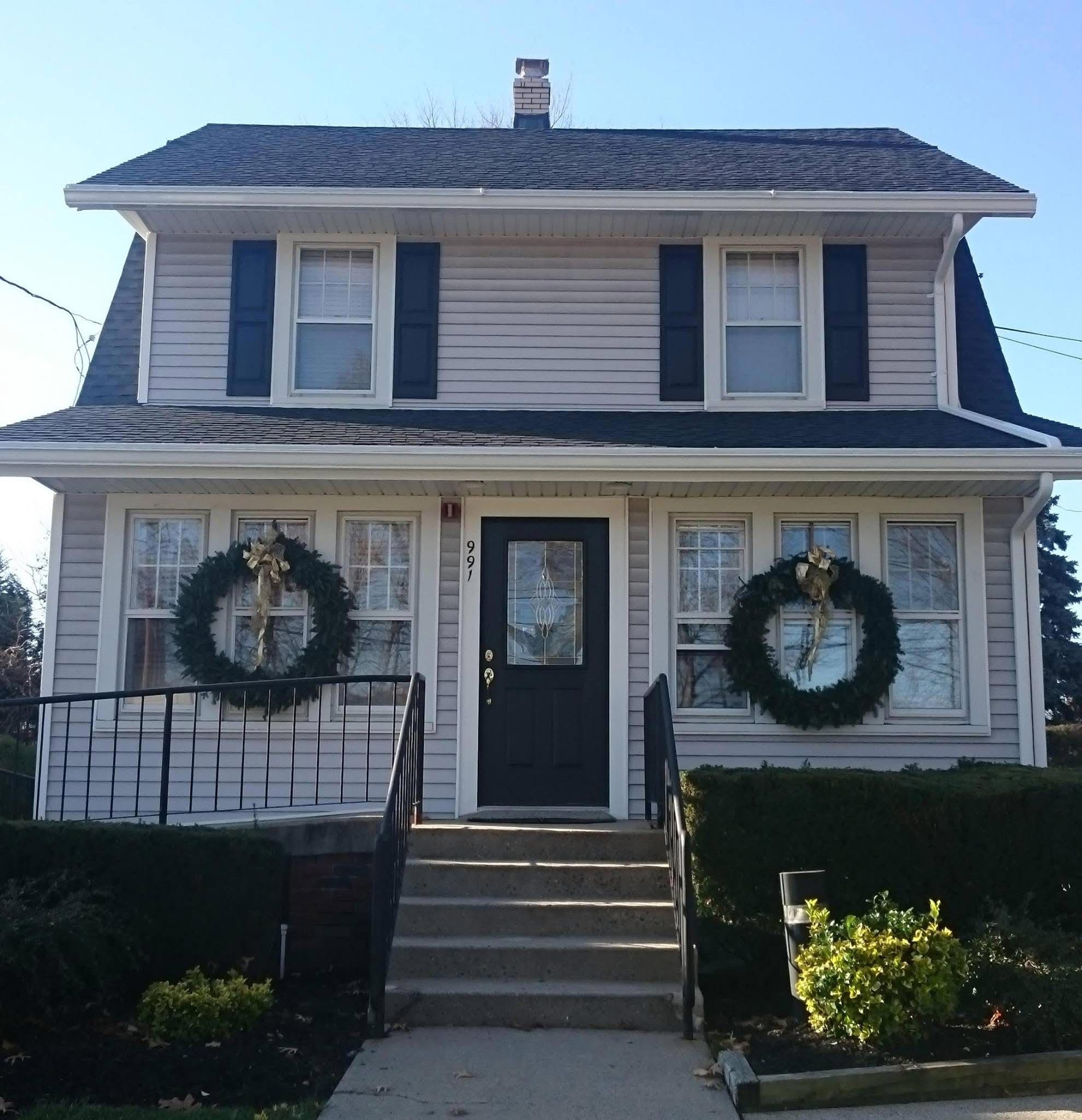
We’re here to answer your questions and help you take the next step toward relief.
Have questions about your symptoms, treatment options, or scheduling an appointment? Our friendly and knowledgeable team is always happy to assist you. Whether you’re seeking relief from TMJ disorders, head and neck pain, facial discomfort, or general dental concerns, we take the time to listen and provide clear, thoughtful answers. From your first call to your ongoing care, we are committed to offering personalized support, helping you understand your options, and guiding you toward lasting comfort, improved function, and exceptional care.