A comprehensive dental exam will be performed by your dentist at your initial dental visit. At regular check-up exams, your dentist and hygienist will include the following:
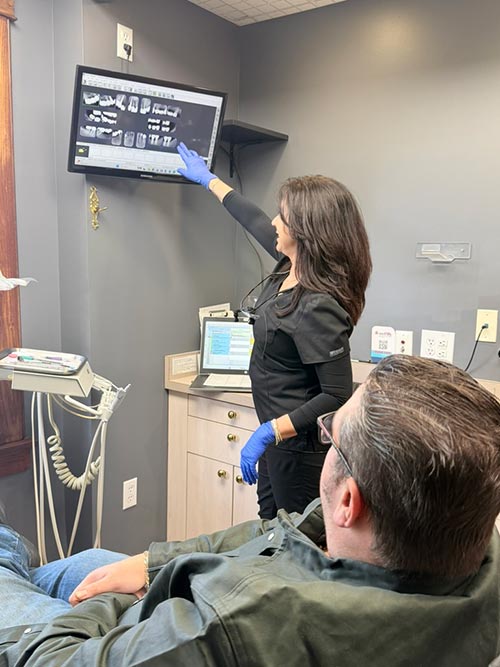
Professional dental cleanings (dental prophylaxis) are usually performed by Registered Dental Hygienists. Your cleaning appointment will include a dental exam and the following:

Regular dental checkups are essential for maintaining excellent oral hygiene and diagnosing potential problems, but they are not a "fix-all" solution. Thorough oral homecare routines should be practiced on a daily basis to avoid future dental problems.
Periodontal disease (also called gum disease and periodontitis) is the leading cause of tooth loss in the developed world, and is completely preventable in the vast majority of cases. Professional cleanings twice a year combined with daily self-cleaning can remove a high percentage of disease-causing bacteria and plaque. In addition, teeth that are well cared for make for a sparkling white smile.
There are numerous types of oral hygiene aids on the supermarket shelves, and it can be difficult to determine which will provide the best benefit to your teeth.
Here are some of the most common oral hygiene aids for homecare:
Dental floss is the most common interdental and subgingival (below the gum) cleaner and comes in a variety of types and flavors. The floss itself is made from either thin nylon filaments or polyethylene ribbons, and can help remove food particles and plaque from between the teeth. Vigorous flossing with a floss holder can cause soft tissue damage and bleeding, so great care should be taken. Floss should normally be used twice daily after brushing.
Many hygienists & periodontists recommend interdental brushes in addition to dental floss. These tiny brushes are gentle on the gums and very effective in cleaning the contours of teeth in between the gums. Interdental brushes come in various shapes and sizes.
There are two basic types of mouth rinse available: Cosmetic rinses which are sold over the counter and temporarily suppress bad breath, and therapeutic rinses which may or may not require a prescription. Most dentists are skeptical about the benefits of cosmetic rinses because several studies have shown that their effectiveness against plaque is minimal. Therapeutic rinses however, are regulated by the FDA and contain active ingredients that can help reduce bad breath, plaque, and cavities. Mouth rinses should generally be used after brushing.
Oral irrigators, like Water Jets and Waterpiks have been created to clean debris from below the gum line. Water is continuously sprayed from tiny jets into the gum pockets which can help remove harmful bacteria and food particles. Overall, oral irrigators have proven effective in lowering the risk of gum disease and should not be used instead of brushing and flossing. Our office recommends the brand Hydrofloss®. Professional cleanings are recommended at least twice annually to remove deeper debris.
The rubber tip stimulator is an excellent tool for removing plaque from around the gum line and also for stimulating blood flow to the gums. The rubber tip stimulator should be traced gently along the outer and inner gum line at least once each day. Any plaque on the tip can be rinsed off with tap water. It is important to replace the tip as soon as it starts to appear worn, and to store the stimulator in a cool, dry place.
Tongue cleaners are special devices which have been designed to remove the buildup of bacteria, fungi and food debris from the tongue surface. The fungi and bacteria that colonize on the tongue have been related to halitosis (bad breath) and a great many systemic diseases like diabetes, heart disease, respiratory disease and stroke. Tongue cleaners can be made from metal, wood or plastic and shaped in accordance with the contours of the tongue. Tongue cleaning should be done prior to brushing to prevent the ingestion of fungi and bacteria.
There are a great many toothbrush types available. Electric toothbrushes are generally recommended by dentists because electric brushes are much more effective than manual brushes. The vibrating or rotary motion helps to easily dislodge plaque and remove food particles from around the gums and teeth. The same results can be obtained using a manual brush, but much more effort is needed to do so.
Manual toothbrushes should be replaced every month because worn bristles become ineffective over time. Soft bristle toothbrushes are far less damaging to gum tissue than the medium and hard bristle varieties. In addition, an appropriate sized ADA approved toothbrush should be chosen to allow proper cleaning to all the teeth. Teeth should ideally be brushed after each meal, or minimally twice each day.
If you have any questions about oral hygiene aids, please ask your dentist or dental hygienist.

Dental hygiene treatments typically combine a thorough clinical exam with preventive procedures performed by a licensed dental hygienist and dentist. During a single visit you can expect an evaluation of your oral tissues, diagnostic radiographs when indicated, an oral cancer screening, and an assessment of your gums and existing restorations. The hygienist will also remove plaque and calculus and polish the tooth surfaces to reduce staining and bacterial buildup.
In addition to in-office care, dental hygiene treatment includes personalized education on homecare techniques and recommendations for interdental aids such as floss, interdental brushes, or oral irrigators. Your clinician will explain which tools best suit your tooth and gum anatomy and will set a follow-up schedule tailored to your oral health. Preventive measures like fluoride applications or sealants may be discussed when appropriate to strengthen enamel and help prevent decay.
For most patients, professional dental cleanings are recommended twice a year to maintain healthy gums and prevent the buildup of tartar that cannot be removed by brushing alone. During routine visits the dental team evaluates your risk factors and may recommend more frequent cleanings if you show signs of periodontal disease, have a history of rapid plaque accumulation, or have systemic conditions that affect oral health. Regular intervals ensure early detection of problems and allow your clinician to adjust preventive care as needed.
Certain patients, including smokers, people with diabetes, those undergoing orthodontic treatment, or anyone with a history of gum disease, often benefit from cleanings every three to four months to control bacterial levels and inflammation. Your dental provider will discuss a personalized maintenance plan based on clinical findings and response to therapy. Scheduling follow-ups at the recommended intervals helps protect teeth, gums, and overall oral function in the long term.
A comprehensive dental exam is a multi-step evaluation performed at an initial visit or as part of periodic care to establish a baseline for oral health. The exam commonly includes a review of medical and dental history, visual and tactile inspection of the teeth and soft tissues, an oral cancer screening, and assessment of the gums and bone support. Diagnostic radiographs are reviewed to detect decay, bone loss, hidden pathology, and to evaluate root and tooth positions when necessary.
The dentist also examines existing restorations for integrity and fit, checks occlusion and jaw function, and assesses for signs of bruxism or temporomandibular joint dysfunction when relevant. Based on the findings, the team will outline preventive or treatment recommendations and answer questions about homecare techniques and adjunctive products. A clear, individualized plan helps patients understand priorities and next steps for maintaining or restoring oral health.
Professional cleanings performed by a registered dental hygienist remove hardened calculus (tartar) above and below the gum line with instruments that are not available for home use, and they address bacteria and stain in ways brushing and flossing cannot. Cleanings include scaling to dislodge firmly attached deposits, polishing to remove surface stains, and targeted subgingival cleaning where pockets exist. These in-office procedures reduce bacterial load and inflammation that, if left unchecked, can progress to periodontal problems.
Daily brushing and interdental cleaning remain the foundation of oral hygiene and are essential to maintain the results of a professional cleaning between visits. The hygienist will coach patients on effective brushing technique, flossing methods, and the use of interdental aids to improve daily plaque control. Together, professional care and consistent homecare form a partnership that preserves gum health and prevents future disease.
Periodontal disease, also known as gum disease or periodontitis, is an inflammatory condition caused by bacteria in dental plaque that attacks the tissues and bone supporting the teeth. Early stages often present as gingivitis, with signs such as red, swollen, or bleeding gums, while more advanced disease can lead to pocket formation and bone loss around teeth. Routine periodontal screening at dental visits includes measuring pocket depths, checking for bleeding on probing, and reviewing radiographs for bone changes.
Detecting periodontal disease early improves the odds of successful non-surgical treatment and long-term maintenance, so regular exams and cleanings are critical for monitoring changes. Your hygienist will document findings, recommend targeted cleaning intervals, and may suggest adjunctive therapies if active infection is present. If disease is identified, your dental team will outline a conservative treatment plan and follow-up care to stabilize health and preserve natural teeth.
Interdental cleaning tools include dental floss, interdental brushes, rubber tip stimulators, and specialty picks, and the most effective choice depends on the size and shape of the spaces between your teeth. Floss is ideal for tight contacts where a thin filament can reach below the gum line, while interdental brushes work well for larger embrasures and around implants or bridges. Hygienists often recommend a combination of tools to address different areas of the mouth efficiently.
Proper technique is as important as the tool selected; aggressive or improper flossing can irritate soft tissue, and the wrong brush size may miss buildup or cause discomfort. Your dental hygienist will demonstrate the correct method and help you choose appropriately sized brushes or tips, then review your technique at follow-up visits. Consistent interdental cleaning reduces plaque accumulation and supports healthier gums between professional cleanings.
Oral irrigators, including Waterpik-style devices and Hydrofloss systems, use a focused stream of water to flush debris and bacteria from periodontal pockets and interdental spaces and can reduce gum inflammation when used properly. They are effective adjuncts to brushing and flossing, especially for patients with braces, fixed prosthetics, or limited dexterity, but they should not replace mechanical plaque removal. Clinical studies support their role in lowering gingival bleeding and improving gum health when combined with daily brushing and interdental cleaning.
To use an irrigator effectively, position the tip at a low angle to the gum line and follow the manufacturer’s settings for pressure, gradually increasing as tolerated. Use short bursts along the gum margin and interproximal areas, and maintain the device by cleaning the reservoir and tips after use. Discussing an irrigator’s role with your hygienist ensures it complements your homecare routine and meets your individual needs.
Electric toothbrushes are generally recommended because their oscillating or sonic motions tend to remove more plaque with less effort than manual brushing for many patients. These powered brushes can be especially helpful for people with limited mobility, orthodontic appliances, or a tendency to brush inadequately with a manual brush. Manual brushes can still be effective if used correctly with proper technique, a soft-bristled head, and adequate time spent on each tooth surface.
Choose a brush head size that fits comfortably in your mouth and a soft-bristle design to protect delicate gum tissue, replacing heads or manual brushes as soon as bristles appear worn. The practice historically recommends regular replacement of toothbrushes to maintain effectiveness, and your hygienist can demonstrate optimal brushing patterns during a visit. Making brushing part of a consistent daily routine, combined with interdental cleaning, provides the best protection against decay and gum disease.
Tongue cleaning helps remove a film of bacteria, fungi, and food debris that accumulates on the tongue surface and contributes to bad breath and an elevated oral bacterial load. Regular tongue cleaning can reduce volatile sulfur compounds that cause halitosis and may improve overall oral comfort. Scrapers or specialized brushes are designed to lift and remove buildup without causing irritation when used gently.
Perform tongue cleaning prior to brushing so loosened debris is cleared from the mouth during tooth cleaning and rinsing, and use light, repeated strokes from the back to the front of the tongue. Rinse the cleaner between passes and replace or clean the tool regularly to avoid recontamination. If persistent odor or coating remains, mention it at your next hygiene visit so the clinician can evaluate for underlying causes.
Your first hygiene visit at Vita Head, Neck & Facial Pain Relief Center begins with a comprehensive dental exam that includes a review of your medical and dental history, diagnostic radiographs when needed, an oral cancer screening, and a periodontal assessment. The hygienist will perform a professional cleaning to remove plaque and calculus and will polish the teeth to reduce surface stains. The dentist will evaluate existing restorations, check for signs of decay, and address any functional concerns observed during the exam.
After the clinical procedures, the team will provide personalized homecare instruction, recommend appropriate interdental aids, and outline a preventive maintenance schedule tailored to your oral health status. Staff will answer questions about daily care techniques and explain the follow-up process so you understand next steps for long-term health. If you need to schedule additional appointments or have questions before your visit, the office is located at 991 Van Houten Avenue in Clifton, NJ and existing patients may call (973) 777-1933 for assistance.

We’re here to answer your questions and help you take the next step toward relief.
Have questions about your symptoms, treatment options, or scheduling an appointment? Our friendly and knowledgeable team is always happy to assist you. Whether you’re seeking relief from TMJ disorders, head and neck pain, facial discomfort, or general dental concerns, we take the time to listen and provide clear, thoughtful answers. From your first call to your ongoing care, we are committed to offering personalized support, helping you understand your options, and guiding you toward lasting comfort, improved function, and exceptional care.