Dr. Vita offers cosmetic dental bonding as a conservative treatment for minor cosmetic and functional issues. Cosmetic dental bonding is a simple procedure, typically completed in a single visit.
In dental bonding procedures, Dr. Vita uses a tooth colored, biocompatible composite resin. Similar to a "white filling", the dental resin is applied directly to the tooth and sculpted into the proper shape and form, then cured using a special light.
Dr. Vita uses dental bonding whenever possible because it is such a conservative option and does not remove any of the tooth's natural structure as is required for porcelain veneers or dental crowns.
It is important to remember that dental composites are not as durable or long lasting as porcelain restorations and may need to be retouched or replaced in the future. Also, dental composites are more susceptible to staining from foods and beverages, so special care should be taken to ensure long term success.

Composite bonding is a conservative cosmetic and restorative dental technique that uses tooth-colored composite resin to reshape or repair teeth. The resin is applied directly to the enamel, sculpted to the desired form, and hardened with a curing light to create a natural-looking surface. Because the material bonds to the tooth, it can restore minor defects without the need for aggressive tooth preparation.
The procedure is commonly completed in a single office visit and can address both aesthetic and small functional concerns. Composite materials are biocompatible and selected to match surrounding tooth color for a seamless result. Patients often choose bonding when they want a quick, minimally invasive improvement to their smile.
Composite bonding is used to repair small chips and cracks, close minor gaps between teeth, and mask localized discoloration that does not respond to whitening. It can also be employed to reshape worn or irregularly contoured teeth and to build up small areas of lost tooth structure. Because the resin is applied directly and sculpted chairside, the treatment is adaptable to a variety of minor cosmetic and restorative needs.
Bonding is not intended for large structural restorations or severe bite problems, but it is an excellent option for aesthetic refinements and modest functional repairs. Your dentist will evaluate each tooth to determine whether bonding will meet your goals or whether a different restoration is more appropriate. In many cases bonding can be combined with other conservative treatments to achieve a balanced, long-lasting result.
Composite bonding is durable for everyday use but it is less wear-resistant than porcelain restorations, so its lifespan varies with function and oral habits. With good oral hygiene and sensible use—such as avoiding chewing hard objects—bonded restorations commonly last several years before they require repair or replacement. Factors that affect longevity include the location of the restoration, a patient’s bite, and exposure to staining foods and beverages.
Routine dental visits allow your dentist to monitor bonded surfaces and perform maintenance such as polishing or spot repairs when needed. If a bonded edge chips or wears, it can often be repaired in the dental chair without replacing the entire restoration. Discussing your daily habits and expectations with your dentist will help set realistic timelines for maintenance and care.
A typical bonding appointment begins with a thorough exam and shade selection to match the resin to adjacent teeth, followed by cleaning and isolation of the treatment area. The tooth surface is gently prepared so the resin can adhere, and the composite is layered and shaped to achieve proper anatomy and contact points. Each layer is cured with a special light and then refined with polishing instruments to create a smooth, natural finish.
Most bonding procedures are completed in one visit and require only local anesthesia in cases where the tooth is sensitive or needs more extensive shaping. The appointment length depends on how many teeth are being treated and the complexity of the desired changes. Before you leave, the dentist will check your bite and make any final adjustments to ensure comfort and function.
Composite bonding is a more conservative option than porcelain veneers or crowns because it preserves the majority of the natural tooth structure and can often be completed without irreversible reduction. Veneers and crowns typically require more tooth preparation and are fabricated in a dental laboratory, which can provide greater stain resistance and long-term durability. Each option has trade-offs between invasiveness, longevity, aesthetics, and cost, so selection depends on the patient’s needs and clinical situation.
Bonding is well suited for minor aesthetic corrections and localized repairs, while veneers and crowns are preferable for extensive discoloration, larger structural damage, or when maximum durability is required. Your dentist will review the pros and cons of each treatment and recommend the approach that best balances preservation of tooth structure with aesthetic and functional goals. A conservative philosophy favors bonding first when it can achieve the desired outcome.
Good candidates for composite bonding are patients with small cosmetic concerns such as chips, minor gaps, or isolated discoloration who want to preserve natural tooth structure. Patients with widespread decay, large restorations, or significant bite problems may need alternative treatments like crowns or orthodontics to address underlying issues before cosmetic work. A thorough clinical assessment, including X-rays and bite evaluation, helps determine whether bonding is appropriate and predictable for each individual.
Patients who maintain regular dental care and are willing to follow oral hygiene and dietary advice generally achieve better outcomes and longer-lasting results. Bonding is also often recommended for transitional cases, for example as a temporary cosmetic improvement while planning a more extensive long-term restoration. Discussing your goals and medical or dental history with your dentist will clarify candidacy and expected results.
Maintaining good oral hygiene is essential to preserve the appearance and integrity of bonded teeth, including regular brushing with a nonabrasive toothpaste and daily flossing to remove plaque at the gumline. Limiting exposure to strong staining agents such as coffee, red wine, and tobacco helps reduce discoloration of the composite material. If you consume staining foods or beverages, rinse with water afterward and consider using a straw for drinks when possible.
Avoid habits that place excessive stress on bonded edges, such as chewing ice, opening packages with your teeth, or biting fingernails, because these actions can cause chipping or premature wear. Routine dental checkups allow the dentist to polish and refresh the bonded surfaces and address small issues early. If you clench or grind your teeth, the dentist may recommend a nightguard to protect bonded restorations and natural teeth from excessive forces.
One advantage of composite bonding is its reparability; minor chips or localized staining can often be corrected in a single visit by refreshing or reapplying composite to the affected area. The dentist can roughen and clean the surface, then bond additional material that is shaped and finished to blend with the existing restoration. This approach avoids complete replacement in many cases and helps extend the useful life of the treatment.
More extensive damage or widespread discoloration may eventually require replacement of the bonded material or consideration of a more durable restoration. Regular examinations help identify small changes early so repairs remain conservative and straightforward. Your dentist will explain the best repair strategy based on the extent of damage and your aesthetic goals.
Composite bonding is generally safe, but patients may experience short-term sensitivity after the procedure as the tooth adjusts to the new restoration. Composites are also more prone to staining and wear than porcelain, so bonded edges can darken or roughen over time and may require maintenance. Allergic reactions to dental materials are rare, and your dentist will review material safety and any relevant medical history before treatment.
In some situations bonding may not fully correct functional issues such as severe bite misalignment, and attempting to use bonding for large structural repairs can lead to premature failure. A careful diagnostic assessment ensures the selected treatment aligns with each patient’s oral health needs. If any unexpected symptoms or prolonged sensitivity occur after bonding, patients should contact their dentist for evaluation and appropriate care.
To schedule a consultation at Vita Head, Neck & Facial Pain Relief Center, call the office at (973) 777-1933 so a member of the team can help arrange an appointment that fits your needs. During the visit the dentist will perform an exam, discuss your cosmetic goals, and review treatment options including the benefits and limitations of composite bonding.
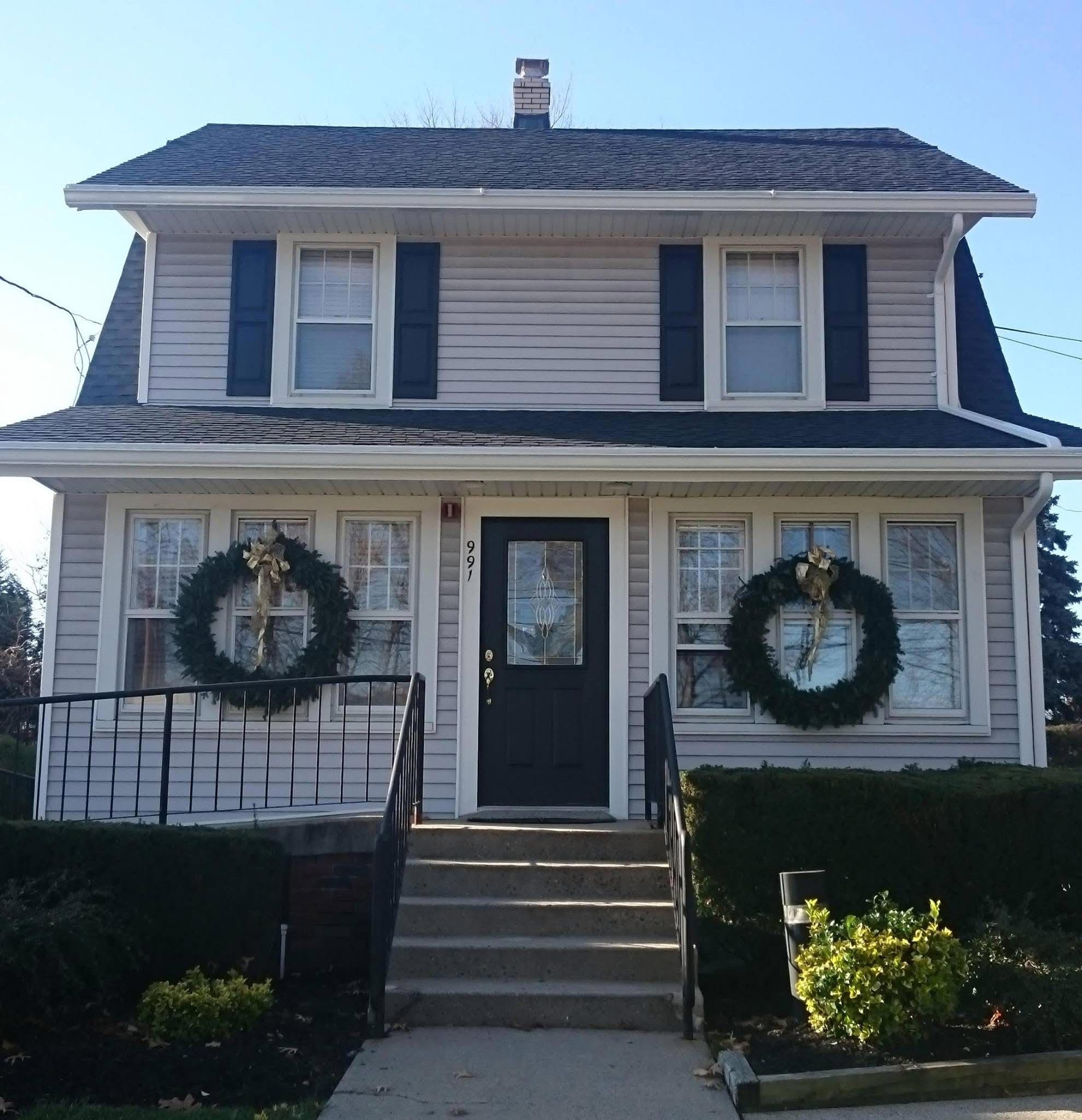
Our office is located at 991 Van Houten Avenue, Clifton, NJ 07013, and new or returning patients can call the front desk to request specific scheduling details or ask about preparatory steps before the visit. Bringing photos of desired results and a list of questions can help make the consultation efficient and informative.
We’re here to answer your questions and help you take the next step toward relief.
Have questions about your symptoms, treatment options, or scheduling an appointment? Our friendly and knowledgeable team is always happy to assist you. Whether you’re seeking relief from TMJ disorders, head and neck pain, facial discomfort, or general dental concerns, we take the time to listen and provide clear, thoughtful answers. From your first call to your ongoing care, we are committed to offering personalized support, helping you understand your options, and guiding you toward lasting comfort, improved function, and exceptional care.