Clifton, New Jersey is a city shaped by movement, connection, and growth. From its early industrial roots along the Passaic River to its modern role as a diverse and vibrant suburban hub, Clifton has always been a place where people live, work, and care for one another. Dentistry, like many essential healthcare services, has evolved alongside the city itself. Today, dental care in Clifton is not simply about treating teeth; it is about supporting overall wellness, relieving chronic pain, and helping individuals remain active and engaged in their daily lives. The connection between Clifton and dentistry is deeply rooted in accessibility, education, and a commitment to addressing the real needs of the community.
As Clifton has expanded over the decades, so too has the understanding of oral health as an integral part of total body health. Residents rely on dental professionals not only for preventive care and restorative treatment, but also for advanced diagnostic services that address complex conditions involving the jaw, neck, and facial structures. Modern dentistry in Clifton reflects a broader philosophy of care, one that recognizes how closely oral health is tied to posture, muscle balance, neurological function, and long-term comfort.
Clifton’s history is closely tied to manufacturing, transportation, and residential development. As factories once lined the riverbanks and neighborhoods grew to support a rising workforce, healthcare services followed. Early dental practices focused primarily on pain relief and basic oral maintenance. Over time, advancements in dental science, technology, and education transformed these practices into comprehensive care centers capable of addressing both functional and aesthetic concerns.
This evolution mirrors the changing expectations of Clifton residents. As people became more informed about health and longevity, dentistry expanded beyond reactive treatment toward preventive care and early intervention. The community began to value dental providers who could explain conditions clearly, offer conservative solutions, and work collaboratively with patients. This shift laid the groundwork for more specialized services that address issues such as jaw misalignment, chronic headaches, and facial pain, conditions that often go undiagnosed without a comprehensive approach.
Clifton’s location within Passaic County, combined with its proximity to major roadways and NJ Transit access, makes it an ideal setting for specialized healthcare services. Patients from surrounding towns often travel into Clifton for medical and dental care, drawn by experienced providers and convenient access. This central role reinforces the city’s responsibility to offer high-quality, patient-centered dentistry that meets a wide range of needs.
Dental practices in Clifton often reflect the diversity of the community itself. Families, professionals, seniors, and children all require different levels of care, and modern dental offices are designed to accommodate these varied needs. From routine exams to complex diagnostic evaluations, dentistry in Clifton emphasizes continuity of care, allowing patients to build long-term relationships with providers who understand their history and health goals.
Oral health affects nearly every aspect of daily living, from eating and speaking to posture and sleep quality. In a busy city like Clifton, where residents balance work, family, and commuting, chronic discomfort can significantly impact quality of life. Jaw pain, facial tension, and neck stiffness are often dismissed as stress-related issues, yet they frequently stem from underlying dental or musculoskeletal imbalances.
This is where modern dentistry in Clifton distinguishes itself. By looking beyond isolated symptoms, dental professionals are able to identify patterns that link oral structures to the rest of the body. This broader perspective allows for treatment plans that aim to restore balance and function rather than simply suppress pain. The result is care that supports long-term wellness and helps patients remain active participants in their community.
Accurate diagnosis is the foundation of effective dental care. In Clifton, dental practices increasingly emphasize comprehensive evaluations that consider the jaw joints, bite alignment, muscle activity, and cervical spine relationships. These assessments provide valuable insight into conditions that may not be visible during a standard dental exam.
Through advanced diagnostic methods, dentists are able to determine whether symptoms such as headaches, jaw clicking, or facial pain are related to structural imbalances. This approach is particularly important for patients who have sought relief elsewhere without success. By identifying the true source of discomfort, dentistry in Clifton offers pathways to care that are both targeted and conservative.
Temporomandibular joint disorders affect millions of people, yet many remain unaware that their symptoms are related to jaw function. In Clifton, increased awareness has led more patients to seek evaluation for chronic jaw pain, limited movement, and recurring headaches. Dentistry plays a critical role in educating the community about these conditions and the options available for care.
TMJ Non Surgical Therapy has become an important component of dental services in the area. This approach focuses on relieving strain within the jaw joints and surrounding muscles without invasive procedures. By addressing bite alignment, muscle coordination, and functional habits, non-surgical therapy supports healing while minimizing disruption to daily life. For Clifton residents, this means access to care that aligns with both modern medical standards and practical lifestyle needs.
The relationship between the jaw and the cervical spine is an area of growing interest within dentistry. The alignment of the upper neck influences jaw position, muscle tension, and neurological signaling. In Clifton, dental practices that recognize this connection are better equipped to address complex pain patterns that extend beyond the mouth.
Atlas Orthogonal Neck Therapy represents a precise and gentle approach to correcting upper cervical misalignments. When incorporated into dental care, this therapy supports improved jaw function and reduced muscular strain. Patients who experience chronic neck tension or postural imbalance often find that addressing cervical alignment enhances the effectiveness of dental treatment and contributes to overall comfort.
The way teeth come together plays a significant role in jaw health and muscle balance. Even minor discrepancies in bite alignment can lead to excessive pressure on the temporomandibular joints, resulting in pain and dysfunction over time. Dentistry in Clifton places a strong emphasis on evaluating bite relationships as part of comprehensive care.
Occlusal Guards are commonly used to protect teeth and support proper jaw positioning. These custom-designed appliances help reduce clenching and grinding, redistribute forces, and promote muscle relaxation. For patients in Clifton who lead active, high-demand lifestyles, occlusal guards offer a practical solution that supports both dental health and overall well-being.
Preventive care has always been a cornerstone of dentistry, but its importance extends beyond individual health. In a community like Clifton, preventive dentistry reduces the long-term burden of complex treatment by addressing issues early. Regular evaluations, patient education, and conservative interventions help maintain oral health across all age groups.
This preventive mindset aligns with the values of a city that prioritizes sustainability and quality of life. By encouraging residents to take an active role in their dental health, Clifton’s dental professionals contribute to a healthier, more informed community. Preventive dentistry supports not only physical comfort but also confidence, communication, and social engagement.
Education is a vital link between dentistry and community wellness. Clifton residents benefit from dental practices that take time to explain conditions, treatment options, and expected outcomes. This collaborative approach empowers patients to make informed decisions and fosters trust between providers and the community.
Engaged patients are more likely to follow treatment recommendations and maintain long-term care routines. By prioritizing education, dentistry in Clifton strengthens its role as a partner in health rather than a reactive service. This philosophy supports better outcomes and reinforces the city’s commitment to accessible, high-quality healthcare.
Clifton is known for its balance of residential neighborhoods, green spaces, and cultural offerings. Residents enjoy local parks, community events, boutique shopping, and a wide range of dining options that reflect the city’s diversity. Dentistry that supports comfort and function allows individuals to fully participate in these experiences without limitation.
Chronic jaw pain or facial discomfort can affect everything from enjoying a meal to engaging in conversation. By addressing these issues through comprehensive dental care, Clifton’s dental professionals help residents maintain an active and fulfilling lifestyle. This connection between health and enjoyment underscores the broader role of dentistry within the community.
As Clifton continues to grow and evolve, dentistry will remain a critical component of community health. Advances in technology, diagnostics, and interdisciplinary care will further strengthen the connection between oral health and overall wellness. Dental practices that embrace innovation while maintaining a patient-centered philosophy will continue to serve as trusted resources for the community.
The future of dentistry in Clifton lies in collaboration, education, and a commitment to addressing the root causes of discomfort. By integrating services such as TMJ Non Surgical Therapy, Atlas Orthogonal Neck Therapy, and Occlusal Guards into comprehensive care models, dental providers are well-positioned to meet the complex needs of modern patients.
The connection between Clifton and dentistry is built on shared values of care, accessibility, and long-term wellness. From its historical development to its modern role as a healthcare hub, the city has embraced dentistry as an essential service that supports both individual health and community vitality. Through advanced diagnostics, conservative treatment approaches, and patient education, dentistry in Clifton continues to evolve in ways that reflect the needs and aspirations of its residents. By focusing on function, comfort, and quality of life, dental care remains an integral part of what allows Clifton to thrive.

Dentistry in Clifton focuses on more than just teeth by recognizing the connection between oral health, jaw function, posture, and overall wellness. Modern dental care addresses underlying causes of discomfort, helping patients improve daily comfort, mobility, and quality of life.
A comprehensive diagnosis allows dental professionals to identify the root cause of symptoms such as jaw pain, headaches, or facial tension. By evaluating bite alignment, jaw joints, and related structures, treatment can be more precise, effective, and long-lasting.
Common signs include jaw pain or stiffness, clicking or popping sounds when opening or closing the mouth, frequent headaches, facial soreness, and discomfort while chewing. These symptoms often indicate an imbalance that can be addressed through targeted dental care.
TMJ Non Surgical Therapy focuses on relieving strain in the jaw joints and surrounding muscles without invasive procedures. It aims to improve jaw alignment, reduce muscle tension, and restore comfortable function over time.
The alignment of the upper cervical spine influences jaw position, muscle balance, and nerve function. When the neck is misaligned, it can contribute to jaw discomfort and facial pain, making a whole-body approach to dental care especially important.
Atlas Orthogonal Neck Therapy gently addresses upper cervical alignment, which can improve jaw function and reduce muscular strain. When combined with dental care, it supports more balanced movement and long-term relief.
Proper bite alignment helps distribute pressure evenly across the teeth and jaw joints. When the bite is unbalanced, it can place excess stress on the jaw, leading to pain, dysfunction, and muscle fatigue.
Occlusal Guards are custom-designed appliances that reduce clenching and grinding while supporting proper jaw positioning. They help protect teeth, ease muscle tension, and promote more comfortable jaw function.
Preventive dentistry helps identify potential issues early, reducing the need for more complex treatment later. Regular evaluations and early intervention support long-term oral health and overall well-being.
Patient education empowers individuals to understand their condition and treatment options. Informed patients are more likely to participate actively in their care, leading to better outcomes and greater confidence in their dental health decisions.
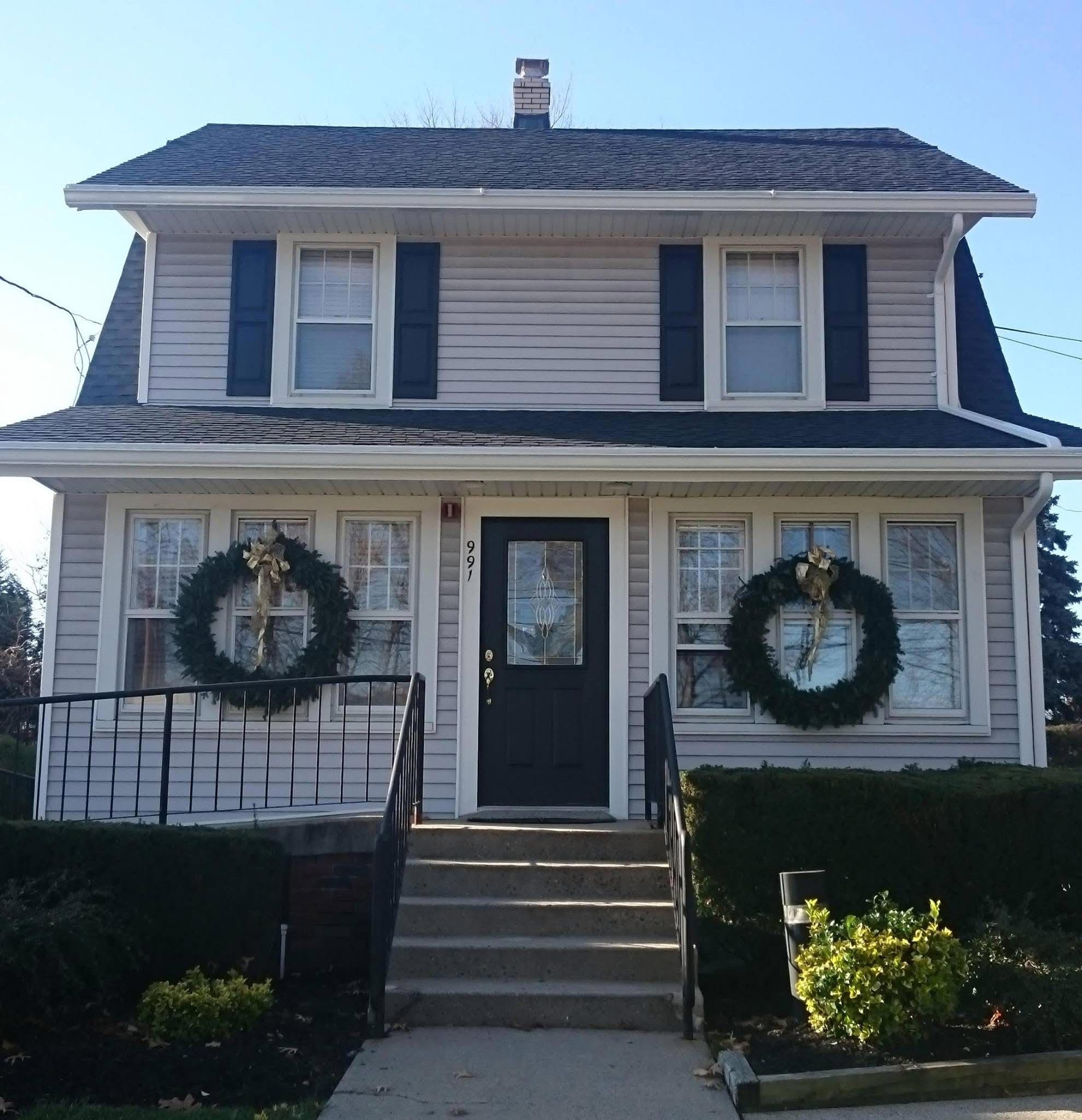
We’re here to answer your questions and help you take the next step toward relief.
Have questions about your symptoms, treatment options, or scheduling an appointment? Our friendly and knowledgeable team is always happy to assist you. Whether you’re seeking relief from TMJ disorders, head and neck pain, facial discomfort, or general dental concerns, we take the time to listen and provide clear, thoughtful answers. From your first call to your ongoing care, we are committed to offering personalized support, helping you understand your options, and guiding you toward lasting comfort, improved function, and exceptional care.